The Paradigm Solutions for Oil Spills clean-up.
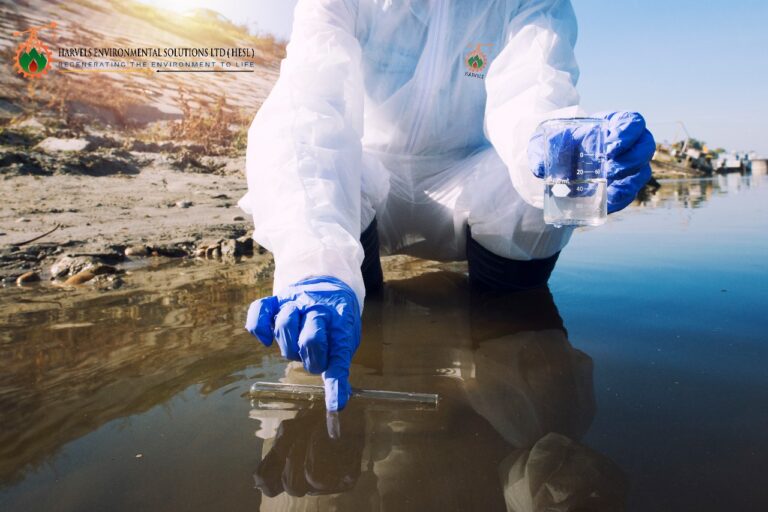
Oil spill clean-up is a critical and complex process that requires careful planning and execution. The adoption of a particular oil spill clean-up method and technique is dependent on the findings from the initial assessment of the site to understand the circumstance that led to the occurrence of the spill event, as well as the type and amount of oil spill, the location and depth of the contamination, and the chemical constituents of the oil.
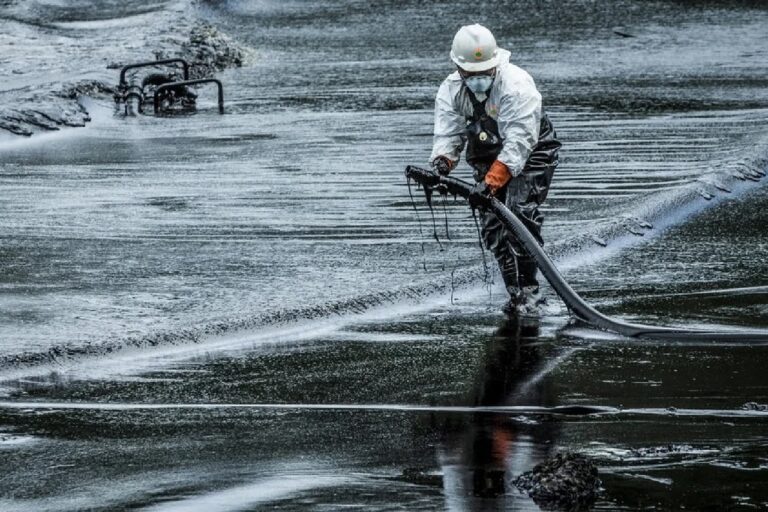
There are several methods and techniques used in oil spill clean-up that could be employed after initial site assessment, each of which has its advantages and disadvantages. In addition to the use of a Skimmer, Berms/Trenches, Dispersants, and Sorbents, below is an overview of the other methods and techniques that are often used to remove spilt oil:
- Bioremediation: This process involves removing harmful or toxic compounds using microorganisms such as microbes, fungi, archaea, and algae to break down the spilt oil into simpler and non-toxic molecules through metabolization, which the soil can utilize. It is often assumed that Bioremediation is a cost-effective and environmentally friendly method of oil spill clean-up, but it is not suitable for all types of oil or all soils, and it can take a long time to achieve complete remediation of the soil.
- Hot Water and High-Pressure Washing: This oil spill removal technique involves heating hot water to a temperature over 170 Degrees Celsius before applying it to the oil using pressure pipes or nozzles to flush the oil to where it can be removed using skimmers or sorbents. This method is usually used to recover spilt oil trapped in places typically out of reach for equipment.
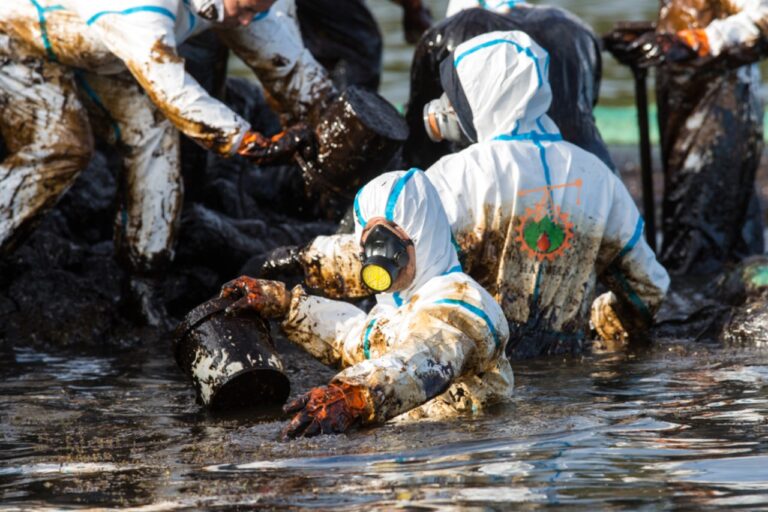
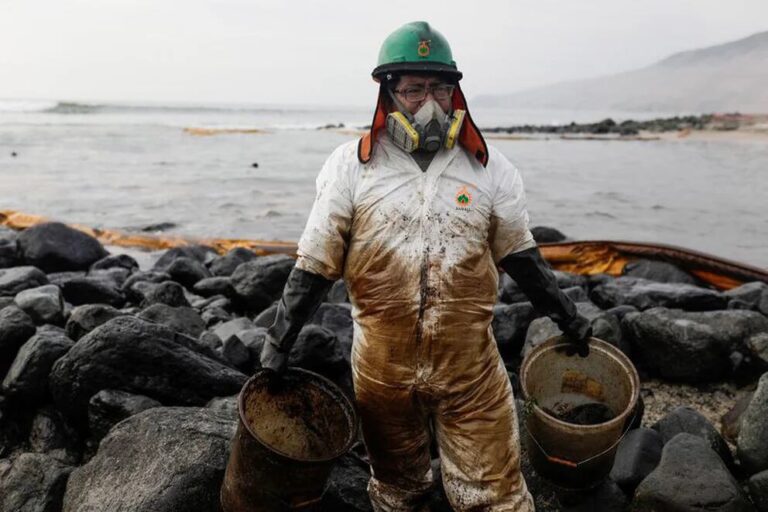
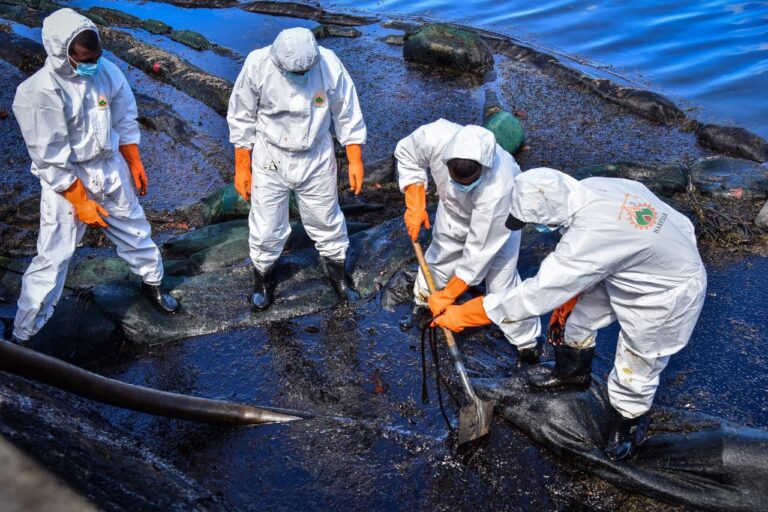
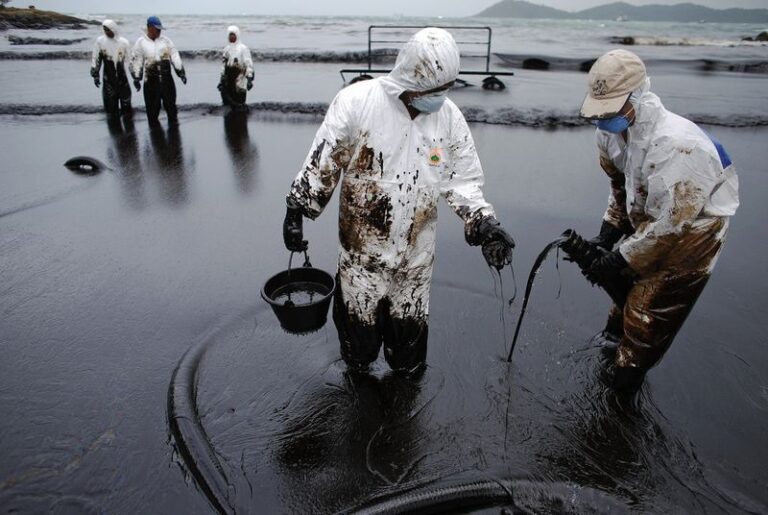
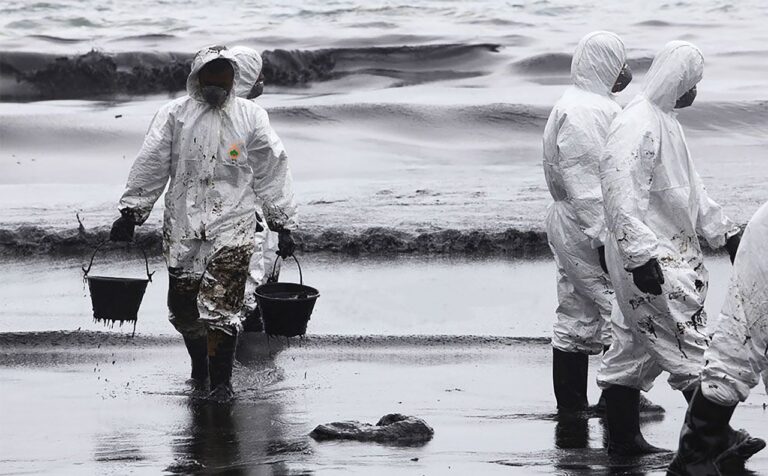
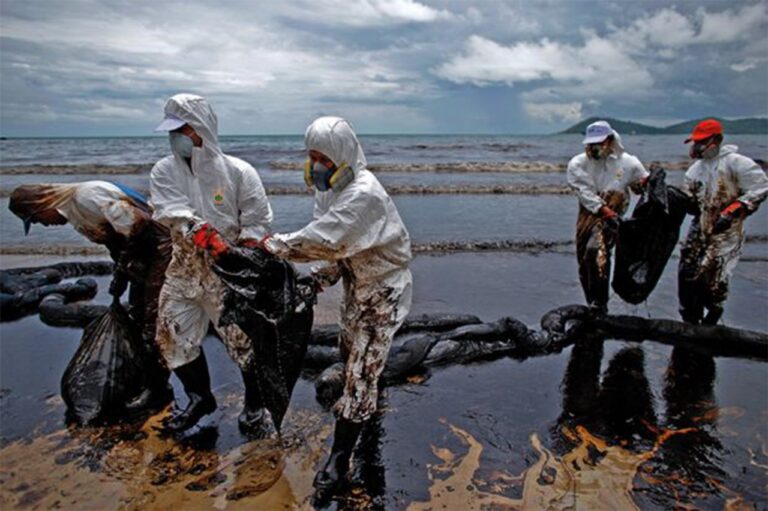
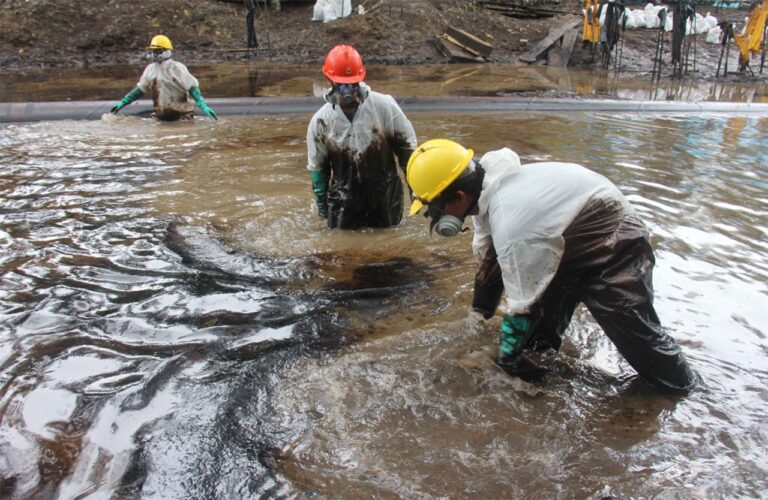
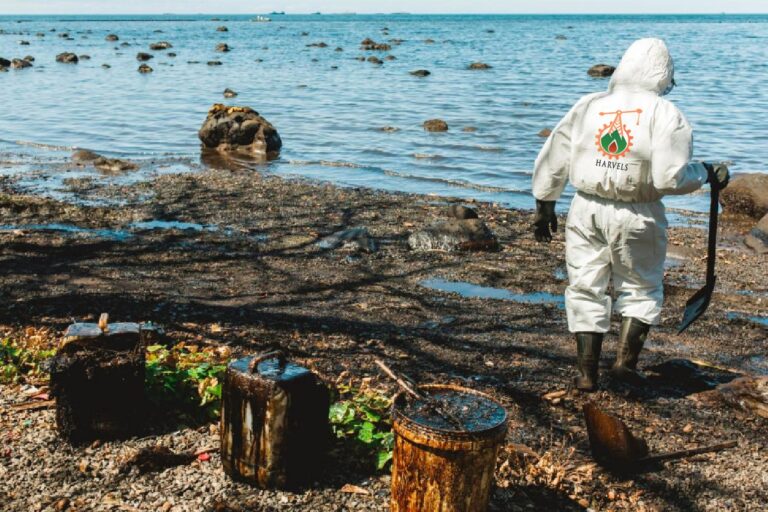
- The use of manual Labour: This oil spill removal technique takes a lot of time and labour when compared to other mechanise techniques. The process involves using manual labour and tools, such as rakes and shovels, to clean up the spilt oil to a designated area for evacuation from the site ready to be removed.
- The Oil Boom: An oil boom is a three-layer floating-like material oil curtailment technique that prevents spilt oil from further spreading and drifting into the environment. The process involves positioning the “skirt” layer of the boom l below the surface to prevent the oil from being squeezed under the booms and escaping, after which the “freeboard” layer is then portioned and placed above the water’s surface to curtail the spilt oil from splashing over the top.