Soil & Ground Water Remediation
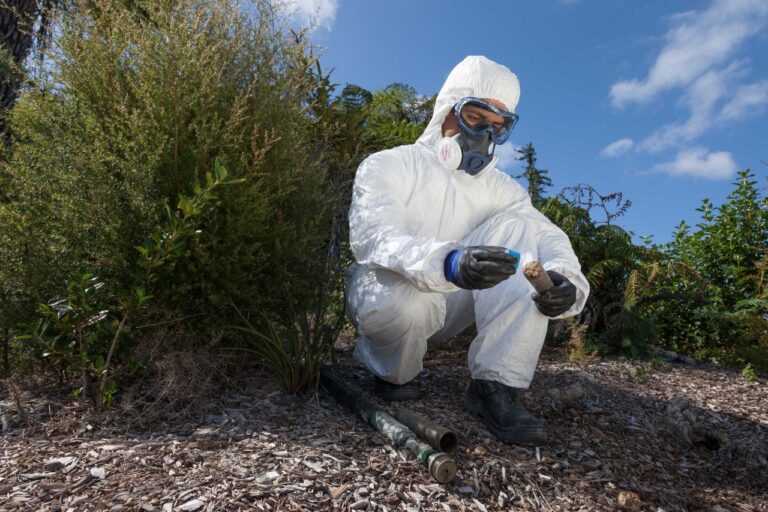
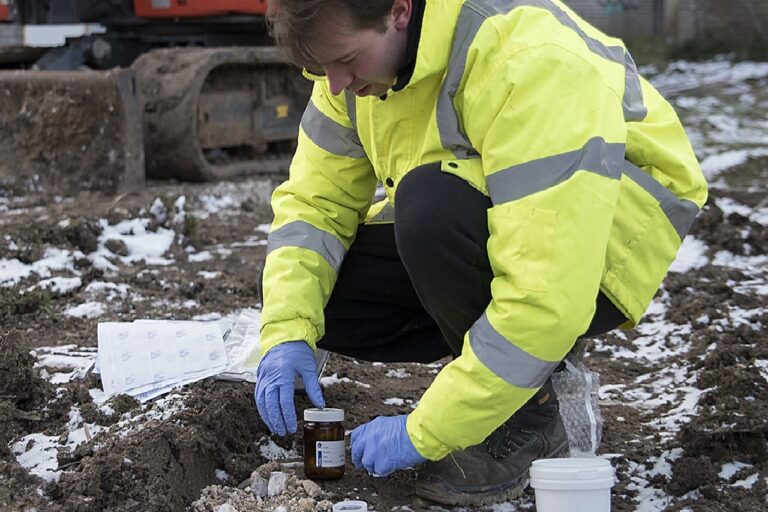
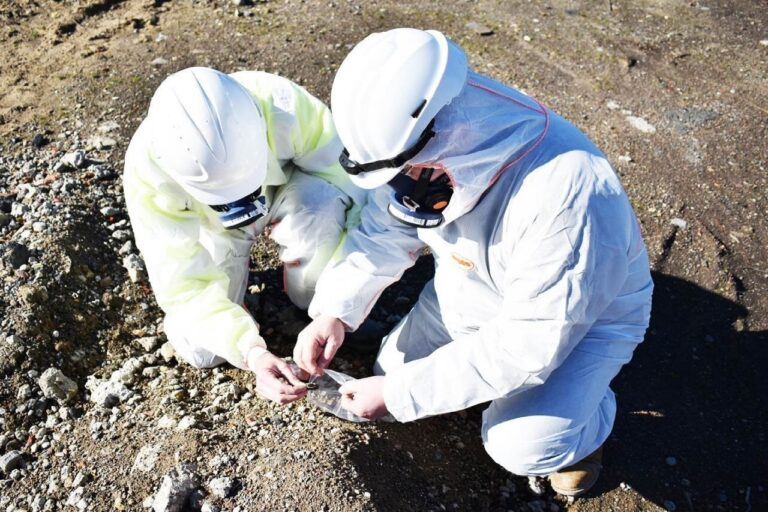
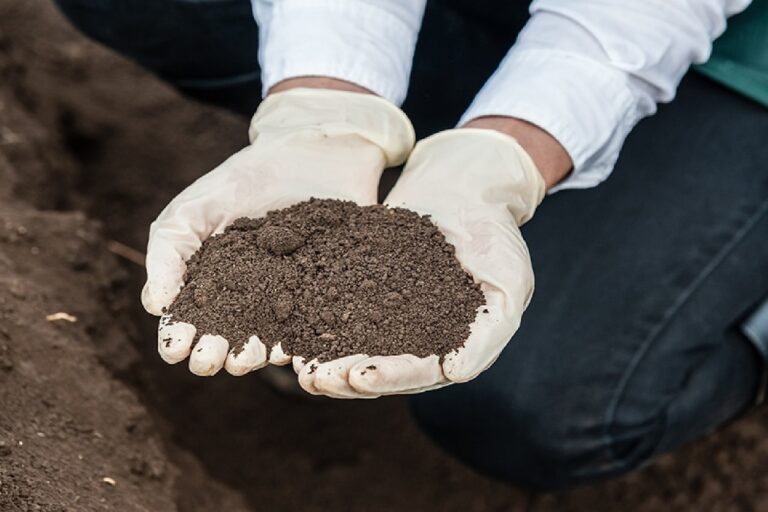
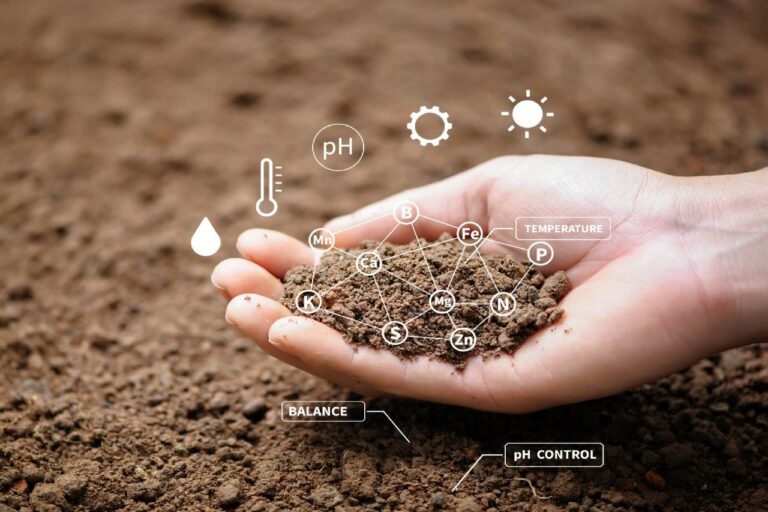
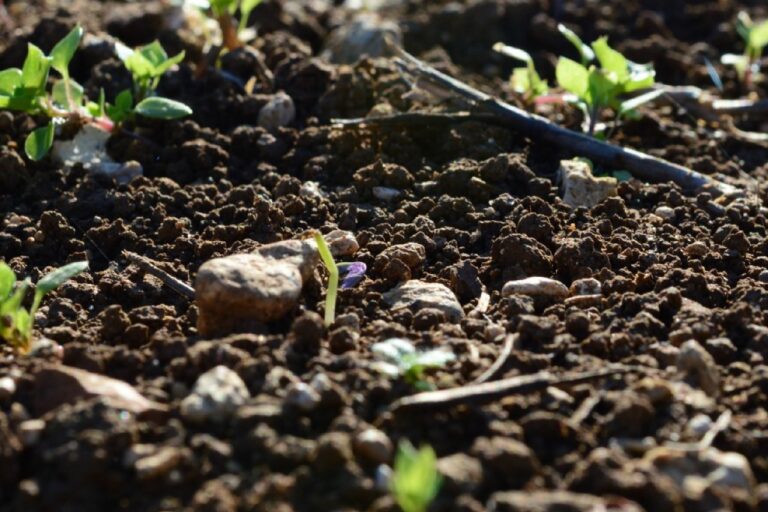
Soil remediation is the process of cleaning up contaminant concentrations of hydrocarbons above safe levels within the soil using either of the soil remediation methods of bioremediation, chemical oxidation, soil washing, and soil stabilisation to make the soil suitable for human use without environmental, and toxic materials absorbent risk.
Soil remediation methods include:
- Bioremediation: This soil remediation method is the process whereby bacteria are use to break down contaminants in the soil.
- Chemical oxidation: This soil remediation method involves using chemicals to convert contaminated soils into non-hazardous soils.
- Soil stabilisation: This soil remediation method involves adding immobilizing agents to reduce contaminants’ leachability.
- Soil washing: This method of soil remediation is the process of using water to separate or remove contaminants.
Groundwater remediation, on the other hand, refers to the treatment of polluted groundwater, which is water below ground level, using either of the groundwater treatment methods of extraction & disposal, Pumping & treatment, Air Sparging, Vapour Oxidation or Chemical Oxidation to make the water safer for human use and to minimise the impact of the contaminant on the environment.
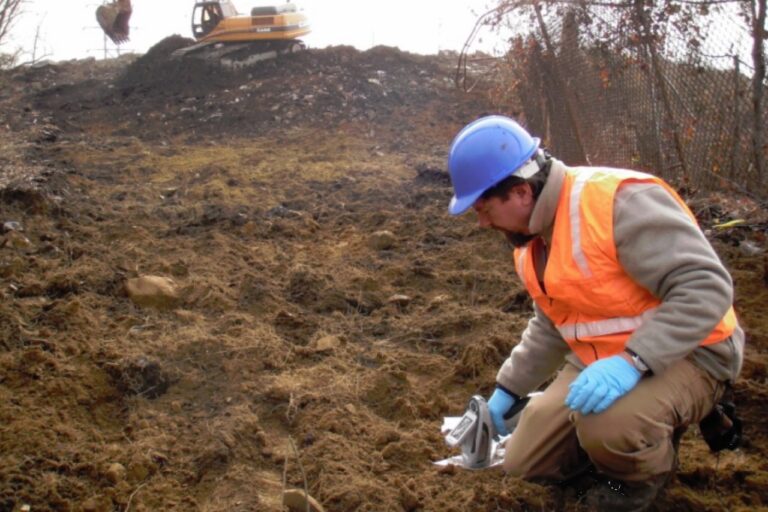
Our team of in-house professionals can facilitate all stages of the remedial process, including design, site clearance, demolition, and enabling works to regulatory approvals. We select the soil remediation method according to the substances that caused the contamination, the substances’ concentration level, the size of the area, the nature of the soil and the risks associated with remediation.